Below are two graphs plotting the number of images on a page against the total KB transferred by Chrome 13 for both a page with JSIO and without JSIO (which I, for some reason have called a “plain” page).
I build websites for a living, so I have a lot of folders of images from various websites lying around which form the two data sets for the graphs. I’d like to think of them as a typical set of website images, but you may argue that they are typical for the websites that I build.
I knocked up a script that when given a folder of images, will output a “plain” HTML page, a JSIO HTML page and a JSIO resources file with the following numbers of images on them: 2, 4, 6, 8, 10, 20, 30, 40, 50, 60, 70, 80, 90, 100, 200, 300, 400, 500, 600, 700, 800, 900, 1000 and 1100. Before generating any of the pages, the order of the images were randomised to better represent a web page’s inclusion of different images for different purposes.
Chrome 13 was used with the developer toolbar to determine how many requests were being made and the actual KB transferred (with slight rounding errors) by the browser. In my opinion I would say that Apache was set up to serve image and javascript content typical of many servers on the internet in that images were not gzipped but javascript files were; the register, bbc, for example.
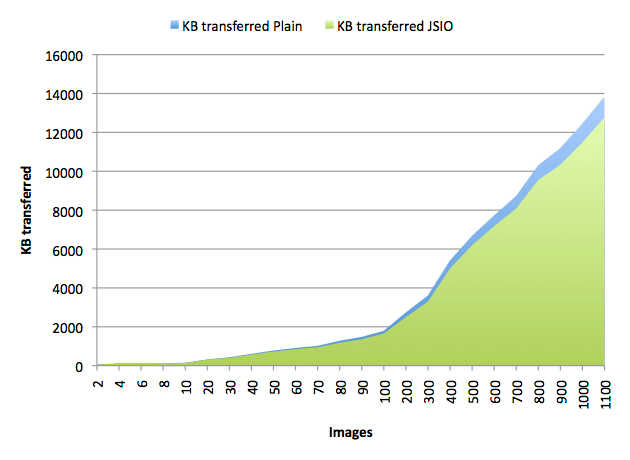
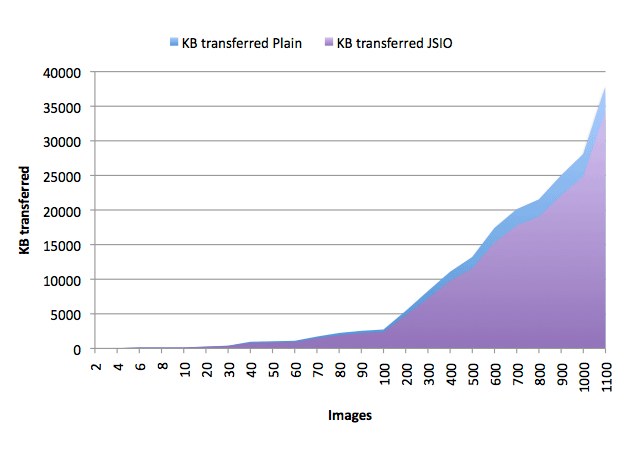
What is interesting to note is that the number of bytes transferred by JSIO are consistently lower than the bytes transferred by a plain HTML page…but not by a lot. The file size inflation due to base64 encoding seems to cancel out a lot of bytes the gained from making fewer requests. However, it is obvious that JSIO won’t actually lose you any bytes, but it isn’t going to save you a substantial amount. That said, saving bytes isn’t the only benefit of JSIO, remember that one of JSIO’s goals is also to alleviate some of the problems surrounding the creation and use of image sprites – which it does also do very well.
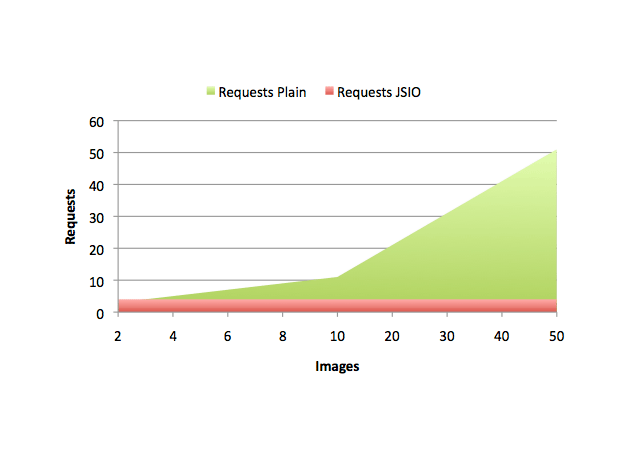
The graph below is just for fun, it plots the number of requests made by JSIO pages against the number of requests made by plain HTML pages. Note the JSIO pages make a constant 4 requests (index.html, jsio.js, jsio-resources.js and jsio.gif) independent of how many images are on the page:
As I continued exploring niche commerce platforms and curated storefront directories, I noticed something that felt clean but visually understated, particularly with Brook walnut vendor foundry hub – The walnut branding is strong, but incorporating walnut wood tones into the header would make the design feel much more complete.
In studies of minimalist online retail environments and abstract storefront design, attention is often drawn to elements inside Crystal Cove minimal store front – the aesthetic is clean and modern, however the lack of visible merchandise contributes to an impression of deliberate incompleteness or early-stage development
During a comparison of modern retail district websites and their design quality I came across discover upland cove commerce district – The interface feels clean and structured and it is comfortable to browse without confusion or overwhelming design elements.
While studying digital craft marketplace interfaces and usability flow I explored open upland harbor craft exchange hub – Navigation could improve but products are unique and cool which keeps the platform interesting.
During a comparison of handcrafted goods websites emphasizing artistic layout design, I came across explore artisan showcase hub – The design feels refined and creative, and browsing across categories is smooth and visually satisfying.
Digital shoppers often look for marketplaces that feel both inspiring and efficient, and while browsing curated selections they might discover atelier style market portal showcasing unique goods and – it focuses on merging artistic presentation with practical checkout flows for a satisfying user experience.
As I continued browsing different directories and online suggestions, I came across something that seemed thoughtfully designed, particularly references including this navigation-friendly page – it makes browsing feel intuitive, so I’ll revisit it later for more insight.
Across prototype marketplace systems and UI sandbox environments, analysts encountered embedded navigation blocks containing harbor vale vendor parlor staging console hub within page layout, and although the vale harbor theme feels maritime and relaxing, the parlor section is empty and inactive which reduces usability during testing sessions
как отмыть пол от масла как отмыть масло с поля советы по чистоте поверхности способа и средств удаления масла
During exploration of online trade listings I came across Kettle Harbor market link hub – The logo is charming and well designed, but footer links not working properly makes the structure feel unfinished and slightly unreliable for regular browsing.
While scanning through niche directories and marketplace-style platforms, I noticed something that stood out for its readability and organization, especially when seeing Honey Cove vendor link included – First impression feels nice, and the content looks relevant and easy to read, creating a smooth and pleasant browsing experience.
Across prototype ecommerce environments and UI vendor frameworks, developers identified embedded navigation content containing quick vendor harbor market house showcase entry node within page structure, and although the naming suggests a rapid marketplace gateway, the system loads slowly which reduces usability and responsiveness during system analysis and testing cycles
While going through niche commerce listings and curated vendor platforms, I came across something that felt visually refined but pricing-wise unstable, especially where Walnut cove commerce atelier hub appeared – The atelier term gives it a luxury feel, but the pricing looks randomly distributed without clear logic.
Regular users of online trade systems often look for clarity in design so they can focus on decision making instead of searching for basic tools TradeSphere Access Grid – It delivers a structured interface that simplifies browsing and improves overall user engagement within the platform
During an exploration of structured artisan exchange platforms I discovered visit violet harbor artisan market exchange – The site offers good variety and I can browse sections easily without getting lost or feeling overwhelmed.
While exploring experimental web storefront ecosystems and conceptual ecommerce layouts, users may encounter sections such as Crystal Harbor Vendor Main Hall interface which appears polished and structured but remains largely empty in real product deployment – The overall feel is consistent with generic template-driven online stores
While analyzing prototype ecommerce systems and ambient marketplace UI designs, testers encountered content sections featuring ember meadow parlor market entry gateway integrated into layout flow, and despite the warm aesthetic, the excessive word count in the name reduces readability and makes navigation feel unnecessarily complex during testing phases
рулонные жалюзи купить в москве рулонные жалюзи купить в москве .
Shoppers exploring curated digital marketplaces often look for organized platforms that highlight quality collections and easy navigation systems where discovery feels natural and efficient sun cove curated goods entry – The goods atelier experience focuses on carefully selected items while ensuring users enjoy a smooth and visually pleasing browsing journey across different categories and featured collections.
While exploring a range of creative vendor-focused online studios and evaluating how design impacts usability, I came across explore lavender vendor studio – The layout feels polished and refined, and browsing through products is smooth and easy with a clear visual structure throughout the experience.
As I continued exploring different marketplace platforms and vendor listings, I came across something that felt nearly identical to an earlier viewed site, particularly with Cove atelier vendor walnut link – The resemblance is so strong that it makes me question whether both sites are part of the same ecosystem or just cloned variations.
As part of studying craft emporium usability and mobile checkout quality I explored check vale harbor creative craft emporium – The site works well on phone and checkout was smooth today with no issues at all.
During a casual browsing session across online marketplace listings and curated hubs, I came across something that felt well structured and readable, particularly references like Meadow honey vendor link – I really enjoyed looking around here, since the layout is neat and user friendly, making everything feel simple and intuitive.
During a casual review of marketplace hubs and vendor listings, I came across a site with strong branding but minimal supporting content, particularly Harbor Aurora commerce vendor hall portal – The Aurora name is attractive, though the content feels somewhat thin and basic.
купить рулонные шторы москва elektricheskie-rulonnye-shtory90.ru .
Across sandbox UI evaluations and ecommerce vendor prototype systems, analysts encountered structured sections featuring ridge quick house market vendor showcase hub node within page layout, and while the naming suggests improved responsiveness and reduced latency, the platform still feels slow in practice which impacts browsing analysis and usability testing cycles
рулонные занавески рулонные занавески .
While exploring various user suggestions and curated lists of links, I encountered something that seemed worth noting, especially when seeing this commerce page link – it gives a helpful first impression, so I may revisit it later for a more detailed breakdown.
Sourcing professionals and buyers increasingly depend on structured digital hubs that bring together vendor listings and trade information coral harbor sourcing hub – The sourcing hub provides a consolidated view of vendors, supporting efficient research and improved procurement decision making
While reviewing digital artisan bazaar designs I came across visit mint orchard shop bazaar – The performance is stable and the layout feels structured and easy to navigate with a reliable user experience.
Across sandbox marketplace testing and UI prototype evaluations, testers noticed navigation elements containing orchard vendor market meadow parlor checkout console hub within page structure, and although the interface feels warm and sweet like an orchard scene, the checkout function fails with a 404 error which severely impacts conversion testing and user flow analysis
Across multiple UI kit implementations and ecommerce sandbox tests, platforms like daisy trade pavilion often showcase visually appealing layouts that conceal underlying backend weaknesses, especially in email subscription systems that frequently fail without proper error handling or feedback messages – The pavilion design feels complete but signup requests often return server errors
Digital consumers who prioritize usability in online stores frequently choose platforms that balance visual clarity with functional layout design teal cove shopping interface delivering fast loading performance and neatly categorized product sections that help users quickly locate items without unnecessary complexity or distraction during browsing sessions.
As I explored different curated commerce platforms and trading foundry sites, I found something that felt stylish but not fully optimized for mobile users, particularly with Brook wave commerce foundry trading hub – The wave theme is attractive, though the mobile menu seems to be malfunctioning at the moment.
As part of studying user-friendly vendor marketplace structures, I explored check this lemon shop house – The layout is simple and well-balanced, making navigation smooth and intuitive throughout the experience.
While examining experimental ecommerce systems and UI vendor frameworks, testers observed embedded content blocks containing rain harbor vendor showcase market hall access node inside layout flow, and although the rain themed design feels soothing and atmospheric, the hall is filled with broken image placeholders which negatively impacts testing and review sessions
mintmeadowgoodsroom – Feels well organized, I didn’t face any issues navigating around.
Across sandbox marketplace testing and UI prototype evaluations, testers noticed navigation elements containing hazel vendor harbor parlor trust assurance gateway within page structure, and although the interface feels warm and approachable due to the hazel branding, the absence of trust badges makes users less confident which reduces conversion efficiency during usability testing sessions
As I browsed online commerce platforms and vendor listings, I came across a minimal trade interface featuring Harbor Bay commerce trade hub hall link – It’s very direct, and I appreciate the absence of pop-up newsletters.
While going through various curated online resources and niche listings, I noticed something that seemed quite well-performing, especially where this quick trade access page appeared – pages load rapidly, which is always a positive indicator, so I might revisit it later for a closer look.
velvetbrookartisanboutique.shop – I’d recommend this to anyone who loves handmade goods.
While checking out various trading and marketplace-style platforms during a browsing session, I noticed something visually appealing but functionally inconsistent on mobile devices, especially where Wave Brook trading foundry hub – The wave-inspired design concept looks quite cool and modern, but the mobile navigation menu seems broken or unresponsive today, which makes browsing frustrating.
In structured testing of experimental marketplace designs users consistently find that the daisy harbor room environment uses harbor vendor entry portal which looks like a valid section entry but automatically redirects to the homepage preventing access to any vendor room features or listings – this creates a misleading navigation experience
People searching for efficient online browsing tools often prefer showroom-style layouts that highlight products clearly and allow them to quickly scan through available options in a structured presentation format cotton grove showroom access – The showroom approach creates a focused browsing experience where users can examine items in a clean environment designed for simplicity and quick exploration
During a comparison of minimal and structured commerce hubs, I found see lemon ridge hub site – The overall design is clear and simple, and browsing feels easy, logical, and consistently user-friendly.
While reviewing experimental marketplace UI systems and ecommerce directory templates, testers encountered mid layout content featuring harbor vendor glade market parlor console hub embedded in structure, and although the aesthetic is clean and outdoor inspired, glade still reminds reviewers of air freshener branding while the site itself appears functional and stable during usability testing sessions
During ecommerce UI review sessions and marketplace duplication checks, analysts observed a central module containing rain harbor vendor hall access node embedded within structured layout flow, and although the rain harbor branding feels atmospheric and consistent like repeated design systems, the vendor hall appears nearly identical to other domains which makes it feel like a copied template during usability testing across multiple environments
Users who prefer visually soft ecommerce outlets often explore sites such as Lemon Harbor Artisan Flow Outlet where products are arranged in a minimal structured layout – The design ensures browsing feels smooth, appealing, and easy to understand across categories.
Cool Ideas down south-africa-outage.online .
While scanning through niche directories and marketplace platforms, I noticed something that stood out for its usability and simplicity, especially where Pine harbor vendor hub appeared – Good experience overall, and everything seems clear and straightforward here, allowing smooth browsing without unnecessary confusion.